

Yes, health anxiety can cause high blood pressure. Anxiety triggers the body's stress response, raising blood pressure temporarily.
Health anxiety, also known as hypochondria, involves excessive worry about having a serious illness. This constant state of worry activates the body's stress response. When stressed, the body releases hormones like adrenaline, which can increase heart rate and constrict blood vessels.
This results in elevated blood pressure. Chronic anxiety may lead to persistent high blood pressure, also known as hypertension. Managing anxiety through relaxation techniques, therapy, and lifestyle changes can help reduce blood pressure.
Understanding the link between mental health and physical health is crucial for overall well-being. Consult a healthcare professional for personalized advice.
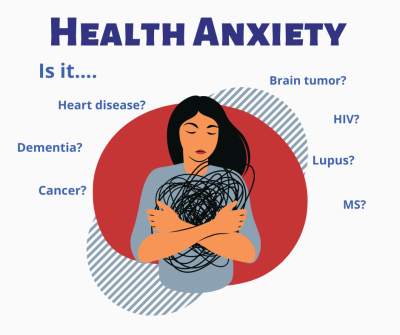
Credit: adaa.org
Health Anxiety Explained
Health anxiety is a condition where people worry excessively about their health. They often believe they have a serious disease. This worry can be overwhelming. It can affect daily life and well-being.
Symptoms And Signs
Health anxiety comes with many symptoms. Here are some common ones:
- Constant worry about health
- Frequent doctor visits
- Checking the body for signs of illness
- Difficulty concentrating
- Feeling tense and nervous
Common Triggers
Many factors can trigger health anxiety. These include:
- Reading about diseases
- Hearing about someone else's illness
- Experiencing stress in life
- Having a family history of illness
- Seeing symptoms in oneself
Health anxiety can lead to high blood pressure. This happens because constant worry puts stress on the body. Managing anxiety can help control blood pressure. Knowing the symptoms and triggers is the first step.
Understanding Blood Pressure
Blood pressure is the force of blood against artery walls. It helps move blood through your body. Knowing your blood pressure is important for your health.
Normal Ranges
Blood pressure has two numbers: systolic and diastolic. Systolic is the top number. Diastolic is the bottom number.
| Blood Pressure Category | Systolic mm Hg | Diastolic mm Hg |
|---|---|---|
| Normal | < 120 | < 80 |
| Elevated | 120-129 | < 80 |
| High Blood Pressure (Hypertension) Stage 1 | 130-139 | 80-89 |
| High Blood Pressure (Hypertension) Stage 2 | 140 or higher | 90 or higher |
| Hypertensive Crisis | 180 or higher | 120 or higher |
Factors Affecting Blood Pressure
Several factors can change your blood pressure. These include:
- Age: Blood pressure tends to rise as you get older.
- Diet: High salt intake can increase blood pressure.
- Exercise: Regular activity can lower blood pressure.
- Stress: High stress can cause temporary spikes.
- Weight: Being overweight can increase blood pressure.
Understanding these factors can help you manage your blood pressure better.
The Connection Between Anxiety And Blood Pressure
Many people often wonder if health anxiety can cause high blood pressure. The connection between anxiety and blood pressure is a complex topic. Understanding how anxiety affects blood pressure can help manage both conditions better.
Physiological Responses
When you feel anxious, your body reacts in specific ways. Anxiety triggers the "fight or flight" response. This response causes your heart rate to increase. It also releases stress hormones like adrenaline and cortisol.
These changes can cause a temporary rise in blood pressure. This is your body's way of preparing to face a threat. High blood pressure from anxiety is usually short-lived but can be concerning.
Short-term Vs Long-term Effects
Short-term anxiety can cause temporary spikes in blood pressure. These spikes usually return to normal once the anxiety passes.
Long-term anxiety, however, can have more serious effects. Chronic anxiety keeps your body in a constant state of stress. This can lead to sustained high blood pressure over time.
Persistent high blood pressure, known as hypertension, can harm your heart and arteries. It is important to manage anxiety to prevent long-term health issues.
Understanding the difference between short-term and long-term effects is crucial. It helps in addressing the root causes of high blood pressure effectively.
| Type of Effect | Description |
|---|---|
| Short-Term | Temporary spikes in blood pressure due to acute anxiety. |
| Long-Term | Sustained high blood pressure due to chronic anxiety. |
Managing anxiety can help control both short-term and long-term blood pressure. Simple lifestyle changes and relaxation techniques can make a big difference.

Credit: www.healthline.com
Health Anxiety's Impact On The Body
Health anxiety can affect your body in various ways. It leads to physical changes due to constant worry. One major concern is its effect on blood pressure. Let's explore how health anxiety impacts the body.
Stress Hormones
When you feel anxious, your body releases stress hormones like cortisol and adrenaline. These hormones prepare your body for a "fight or flight" response. They increase your heart rate and tighten your blood vessels.
This constant release of stress hormones due to health anxiety can lead to sustained high blood pressure. The body remains in a heightened state, affecting overall health.
Cardiovascular System
Health anxiety impacts the cardiovascular system significantly. The increased heart rate and tightened blood vessels strain the heart. This makes it work harder to pump blood.
Over time, this strain can cause high blood pressure. It's important to manage health anxiety to protect your cardiovascular health. Regular exercise, a balanced diet, and relaxation techniques can help reduce anxiety levels.
| Impact | Description |
|---|---|
| Stress Hormones | Increased levels of cortisol and adrenaline |
| Cardiovascular System | Increased heart rate and blood vessel constriction |
Understanding health anxiety's impact on the body helps in managing its symptoms. Reducing stress and anxiety is crucial for maintaining a healthy blood pressure level.
Scientific Studies And Findings
Many people wonder if health anxiety can cause high blood pressure. Let's dive into what scientific studies and findings reveal about this topic.
Research Evidence
Several studies have explored the link between health anxiety and high blood pressure. These studies aim to understand how anxiety affects our cardiovascular system.
One study found that people with high health anxiety often have elevated blood pressure. Researchers measured blood pressure levels during anxiety-inducing situations. The findings showed a significant increase in blood pressure.
| Study | Participants | Key Findings |
|---|---|---|
| Study A | 100 adults | Increased blood pressure during anxiety episodes |
| Study B | 50 adults | Chronic anxiety linked to sustained high blood pressure |
Contradictory Results
Not all studies agree on this connection. Some research shows no significant link between health anxiety and high blood pressure.
One study with 200 participants found no consistent increase in blood pressure due to health anxiety. Participants were monitored over a long period. Their blood pressure levels remained stable despite high anxiety levels.
- Study X: No direct link found between anxiety and blood pressure.
- Study Y: Blood pressure fluctuated but remained within normal ranges.
These contradictory results suggest that more research is needed. Factors like individual differences and underlying health conditions may play a role.
Credit: blog.providence.org
Managing Health Anxiety
Managing health anxiety is crucial for overall well-being. Health anxiety can lead to increased stress and elevated blood pressure. Effective management techniques can help reduce these negative effects.
Cognitive Behavioral Therapy
Cognitive Behavioral Therapy (CBT) is a highly effective method for managing health anxiety. It focuses on changing negative thought patterns. A therapist guides you to reframe anxious thoughts.
CBT involves various techniques, such as:
- Identifying and challenging irrational beliefs
- Practicing relaxation techniques
- Setting realistic goals
CBT can help reduce anxiety levels, which can, in turn, lower blood pressure.
Mindfulness Techniques
Mindfulness techniques can also help manage health anxiety. Mindfulness involves focusing on the present moment. It teaches you to observe your thoughts without judgment.
Here are some popular mindfulness practices:
- Deep breathing exercises
- Guided meditation
- Body scan meditation
These practices can help calm your mind and reduce anxiety. This can lead to lower blood pressure.
| Technique | Benefit |
|---|---|
| Deep Breathing | Reduces stress quickly |
| Guided Meditation | Helps focus and calm the mind |
| Body Scan | Promotes relaxation and awareness |
Using these techniques consistently can greatly improve your mental and physical health.
Lifestyle Changes For Better Blood Pressure
Worried about health anxiety causing high blood pressure? Simple lifestyle changes can help. Focusing on diet, exercise, and relaxation can make a difference. Let’s explore these changes for better blood pressure.
Diet And Exercise
Eating the right foods can lower blood pressure.
Include more fruits, vegetables, and whole grains. Avoid processed foods and reduce salt intake.
Here’s a simple table to guide you:
| Food Type | Recommended Choices |
|---|---|
| Fruits | Bananas, oranges, apples |
| Vegetables | Spinach, broccoli, carrots |
| Whole Grains | Oats, brown rice, quinoa |
Exercise is key. Aim for at least 30 minutes of activity daily. Walking, jogging, or cycling can help.
Relaxation Practices
Stress can raise blood pressure. Relaxation practices can reduce it.
Try these methods:
- Deep breathing exercises
- Meditation
- Yoga
Consistency is important. Make these practices a daily habit. Over time, you will see benefits.
When To Seek Professional Help
It is crucial to know when to seek professional help for health anxiety. Ignoring persistent symptoms can lead to serious health issues. Knowing the signs of severe anxiety and available treatments can guide you in making informed decisions.
Signs Of Severe Anxiety
Severe anxiety can manifest in different ways. Here are some common signs:
- Constant worry about health issues.
- Frequent panic attacks.
- Difficulty sleeping or staying asleep.
- Experiencing muscle tension and headaches.
- Increased heart rate and high blood pressure.
If you notice these signs, it is time to consult a professional. Early intervention can prevent complications and improve quality of life.
Available Treatments
There are several effective treatments for health anxiety. These can help manage symptoms and reduce high blood pressure:
| Treatment | Description |
|---|---|
| Cognitive Behavioral Therapy (CBT) | Aims to change negative thought patterns. |
| Medications | Includes antidepressants and anti-anxiety drugs. |
| Mindfulness | Helps in staying present and reducing stress. |
| Exercise | Regular physical activity can lower anxiety levels. |
Consulting a healthcare provider can help you choose the best treatment. Personalized care plans are often the most effective.
Frequently Asked Questions
How Do I Know If My High Blood Pressure Is From Anxiety?
Consult a doctor to rule out other causes. Monitor blood pressure during calm periods to see if it decreases.
How To Stop Anxiety From Raising Blood Pressure?
Practice deep breathing exercises, engage in regular physical activity, and maintain a balanced diet. Avoid caffeine and alcohol.
How Much Can Anxiety Raise Blood Pressure?
Anxiety can temporarily raise blood pressure by 10 to 30 points. It's a short-term spike, not a chronic issue.
What Is The Best Treatment For Health Anxiety?
Cognitive Behavioral Therapy (CBT) is the best treatment for health anxiety. It helps manage anxiety through structured techniques.
Conclusion
Understanding the link between health anxiety and high blood pressure is crucial for managing both conditions effectively. Reducing stress and seeking professional help can improve overall well-being. Prioritize a balanced lifestyle, regular exercise, and mindfulness practices. Addressing health anxiety may help lower blood pressure and enhance your quality of life.